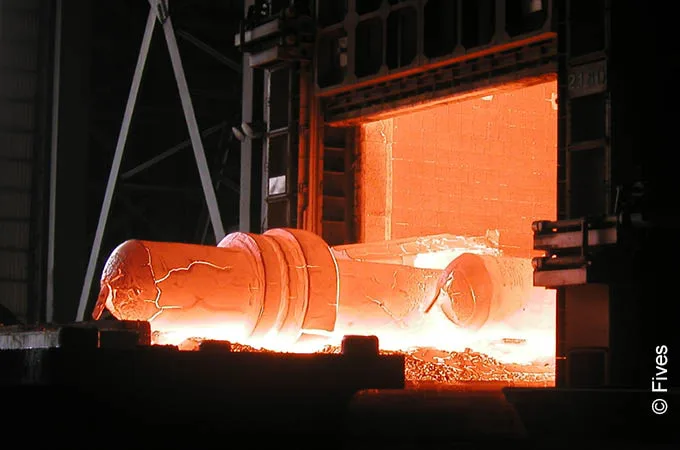
A stable supply chain is the backbone of any successful manufacturing operation. Yet in today's globalized economy, navigating an oversupply of vendors can be overwhelming.
Choosing the right supplier goes far beyond comparing quotes. It's about finding partners who can deliver consistent quality, meet delivery timelines, and remain stable through market volatility. A single unreliable supplier can disrupt your entire production line, leading to cost overruns and missed opportunities.
This guide will provide you with a systematic framework for evaluating suppliers, understanding true cost structures, and building long-term relationships that stabilize your supply chain and strengthen your competitive position.
📊 Key Statistic
Research shows that 70% of manufacturing delays stem from supply chain issues, with inadequate supplier assessment being a major contributing factor.
Let's explore how to properly assess your suppliers and build a resilient supply chain.
Why Supply Chain Stability Matters
Before diving into supplier assessment, it's important to understand why a stable supply chain is so critical to business success:
Predictable Production
A stable supply chain allows you to plan production capacity, commit delivery dates to customers, and allocate resources efficiently.
Cost Control
Reliable suppliers help avoid emergency sourcing, minimize inventory carrying costs, and negotiate long-term pricing agreements.
Quality Consistency
Established supplier relationships lead to consistent product quality, fewer defects, and less rework.
Market Responsiveness
A well-managed supply chain gives you the flexibility to adapt to market changes and seize new opportunities quickly.
Stronger Relationships
Long-term partnerships with suppliers can lead to better pricing, priority treatment, and collaborative innovation.
Risk Mitigation
Diversified, vetted suppliers reduce your vulnerability to supply disruptions from geopolitical events, natural disasters, or business failures.
Real-World Example
One of our clients experienced a 40% reduction in production delays after implementing a structured supplier assessment and management framework.
The Complete Supplier Assessment Framework
A successful supplier evaluation process assesses multiple dimensions. Here's how to evaluate each aspect:
Quality Assessment
Certifications and Standards
- ISO 9001 – Basic quality management system. Minimum requirement for most suppliers
- IATF 16949 – Automotive-specific. Required for automotive supply
- AS9100 – Aerospace standard for high-reliability components
- ISO 14001 – Environmental management. Shows commitment to sustainable practices
- ISO 45001 – Occupational health & safety. Important for socially responsible sourcing
Technical Capabilities
| Factor | What to Check | Red Flag |
|---|---|---|
| Equipment & Technology | Modern machinery, adequate maintenance, capability studies | Outdated equipment, lack of preventive maintenance |
| Inspection Capabilities | CMM, spectrometers, UT/MT/PT testing, calibrated instruments | Missing critical measurement equipment, expired calibrations |
| Documentation | Complete manufacturing reports, material certs, inspection records | Incomplete records, unclear traceability |
| Workforce | Trained operators, low turnover, certification programs | High turnover, untrained personnel |
| Continuous Improvement | Active CI programs, root cause analysis, corrective actions | No structured problem-solving, repeat issues |
Quality Metrics to Track
Request these performance metrics:
- Ppk (Process Capability Index) – ≥1.67 is excellent, ≥1.33 is acceptable for most applications
- First-Pass Yield – Percentage of parts that pass inspection without rework (Target: >95%)
- Defect Rate – PPM (parts per million) defect rate (Target: <500 PPM)
- On-Time Delivery – Percentage of shipments meeting schedule (Target: >95%)
Price Assessment
Low Price ≠ Lowest Total Cost
Total Cost of Ownership (TCO) Analysis
Always consider total cost of ownership, not just piece price:
| Cost Component | Considerations | Typical Impact |
|---|---|---|
| Unit Price | Per part/kg cost | 50-70% of total |
| Tooling Costs | Amortized over production volume, ownership, tool life | 5-15% (volume-dependent) |
| Shipping & Logistics | Freight, customs, handling, insurance, lead time | 8-20% (geography-dependent) |
| Quality Costs | Inspections, rejections, rework, warranty | 2-10% (supplier-dependent) |
| Inventory Costs | Storage, tied-up capital, obsolescence risk | 3-8% (lead time-dependent) |
| Supplier Management | Communication, problem-solving, audits, travel | 2-5% (location-dependent) |
Request Cost Breakdown
A reputable supplier should be able to transparently share cost structure:
- **Material cost**: Steel price, scrap rate, procurement markup
- **Labor cost**: Direct labor, setup time, machining time
- **Overhead**: Equipment depreciation, facility costs, energy
- **Profit margin**: Typically 10-25% depending on complexity and volume
- **Value-added services**: Heat treatment, surface treatment, inspection
💡 Pro Tip
If a supplier is significantly below market (>30% under comparable quotes), this is a red flag. Either they'll compromise quality, add hidden costs, or try to raise prices later.
Regional Price Benchmarks
Approximate pricing benchmarks for common components (2025):
| Component Type | Europe (Italy) | China | Consideration |
|---|---|---|---|
| Open Die Forging (Medium-sized) | €8-15/kg | €4-8/kg | China lower but higher logistics and management costs |
| Sand Casting (Steel) | €4-8/kg | €2-5/kg | Europe better quality consistency, faster lead times |
| CNC Machining (Complex) | €60-100/hr | €25-50/hr | Europe better precision, less rework |
Reliability & Capacity
Financial Stability
- Financial Health – Request annual reports, credit ratings, or financial statements
- Years in Business – Suppliers with >10 years of operation are generally more stable
- Customer Base – Diversified clientele is healthier than single-customer dependency
- Investments – Recent equipment investments show commitment to growth
Production Capacity
| Metric | Ideal | Acceptable | Warning |
|---|---|---|---|
| Capacity Utilization | 60-80% | 50-90% | <40% or >95% |
| Lead Time | Met 98% of the time | Met 90% of the time | <85% of the time |
| Scalability | Can increase 50% without major investment | Can increase 20-30% | At capacity limit |
Supply Chain Transparency
Understand your supplier's supply chain. Where do they source raw materials? Do they have backup suppliers? This is especially important for critical materials.
Red Flags: When to Walk Away
Some warning signs should lead to immediate caution or rejection of a supplier:
Critical Red Flags
Fake or Expired Certificates
Always verify certificates directly with certification bodies. Fake ISO certificates are common.
Lack of Transparency
Refuses to allow factory visits, explain processes, or provide documentation.
Inconsistent Communication
Slow responses, contradictory information, frequent contact changes.
Unusual Payment Terms
Insists on 100% prepayment without established relationship, requests payments to personal accounts.
Poor References
Cannot provide satisfactory customer references or previous customers report issues.
Unrealistic Promises
Promises impossible lead times, quality, or prices. "Too good to be true" usually is.
The 70% Rule
If a supplier fails more than 30% of your critical assessment criteria, you should probably consider an alternative option, regardless of price advantage.
Building Long-Term Partnerships
The best supplier strategy focuses on building long-term, mutually beneficial relationships:
Best Practices for Supplier Relationships
Clear Expectations
Define quality standards, delivery requirements, and communication protocols upfront.
Regular Performance Reviews
Quarterly or annual reviews with documented performance and improvement plans.
Collaborative Approach
Work together on continuous improvements, cost reductions, and process optimizations.
Fair Pricing
Pay fair prices that allow the supplier to invest and grow. Extreme price squeezing hurts both parties long-term.
Continuous Feedback
Share both positive and negative feedback promptly and constructively.
Open Communication
Maintain regular communication channels for quick problem resolution and planning.
Supplier Diversification Strategy
Balancing the right number of suppliers is critical:
| Strategy | Benefits | Considerations |
|---|---|---|
| Single Supplier | Higher volume = better pricing, stronger relationship, simpler management | Higher risk during disruptions, less negotiating leverage |
| Dual Sourcing (2 suppliers) | Risk reduction, competitive pressure, backup option | Requires minimum volume for each, slightly higher management |
| Multi-Sourcing (3+ suppliers) | Maximum flexibility, geographic diversification, robust supply chain | Higher management overhead, smaller volumes per supplier, diluted relationships |
INTEG's Supplier Vetting Process
At INTEG, we've developed a comprehensive, multi-layered approach to supplier assessment based on over 50 years of sourcing experience:
Our 6-Stage Approach
- Initial Screening
Review of certifications, financial stability, and basic technical capabilities. - Factory Visit
Physical inspection of facilities, equipment, quality systems, and working conditions. - Technical Assessment
Detailed review of process capabilities, machinery, tooling, and technical expertise. - First Article Inspection
Order and thoroughly inspect first articles before committing to large orders. - Price Analysis
Detailed TCO analysis and price comparison against market benchmarks. - Ongoing Monitoring
Continuous performance tracking, quality audits, and relationship management.
The INTEG Advantage
When you work with INTEG, you get:
- Access to our pre-vetted network of 30+ verified suppliers
- Ongoing quality monitoring and audits on your behalf
- Negotiated pricing based on our existing relationships
- Risk mitigation through our supplier diversification strategy
Conclusion: Choosing the Right Suppliers Is Critical
Supplier assessment is not a one-time task—it's an ongoing process that requires diligence, systematic analysis, and relationship management. Focusing solely on price without considering quality, reliability, and total cost is a recipe for supply chain problems.
Key Takeaways
- Use TCO (Total Cost of Ownership) analysis, not just piece price
- Thoroughly vet quality systems, certifications, and capabilities
- Assess financial stability and production capacity
- Watch for red flags and don't hesitate to walk away
- Build long-term partnerships with fair pricing and open communication
Investing time in proper supplier assessment pays dividends in the form of reliable quality, predictable costs, and a stable supply chain that positions your business for growth.